PL EN
Contact

Materials · textiles – What will
your textiles be knitted from?

We choose knits that meet your requirements – they differ in composition, properties and available colours. Explore the main ones and download the shade cards.

What fabrics do we use
to create personalised textiles?

Below you’ll find the main types of yarn – explore their properties, uses and available colours.

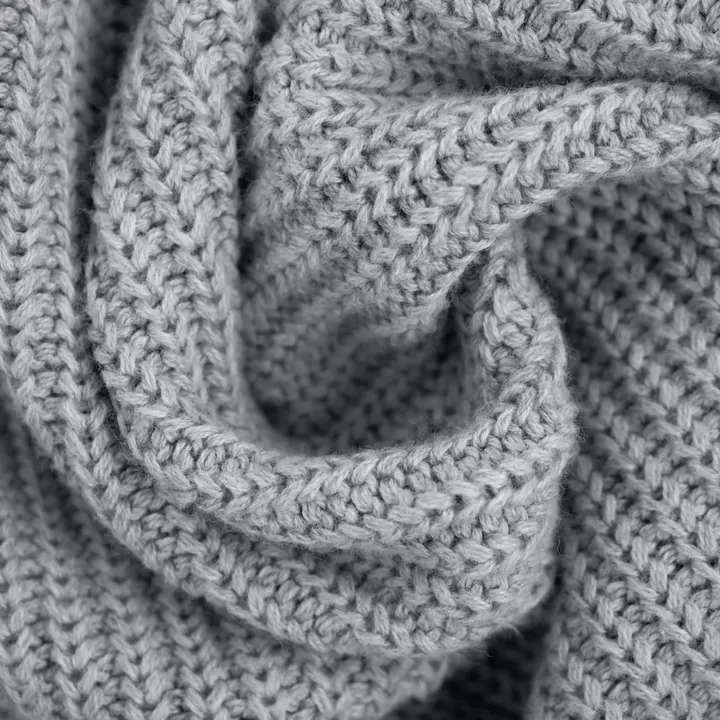
Close-up of soft grey wool knit arranged in folds
01The warmest

Wool

By far the warmest of the materials in dothat textiles. Thanks to its thermal properties, it is ideal for winter hats, scarves and blankets. We offer two types of wool – classic sheep’s wool and merino – on their own or blended with other yarns.

  • Classic sheep’s wool
  • Merino
  • As a blend
See the shade card

What makes wool stand out?

  • It lets your skin breathe – it helps regulate body temperature and prevents overheating.
  • It naturally wicks away moisture.
  • It retains heat superbly, which makes it ideal for winter.
  • It is springy and elastic – it keeps its shape despite stretching.
  • It doesn’t absorb odours, so it doesn’t need frequent washing.
  • It is very durable and, with proper care, lasts for years.

What should you keep in mind?

  • It may shrink in the wash, especially in hot water.
  • It is one of the more expensive materials.
  • It is heavier than cotton and synthetic materials.
  • It may felt if not cared for properly.
  • In some people, it may cause allergies, irritation or itching.

Sheep’s wool or merino – what’s the difference?

  • Origin

    Merino comes from merino sheep – it shares many features with classic sheep’s wool, but not all of them.

  • Softness

    The biggest difference: merino is exceptionally soft and gentle.

  • Lightness

    Merino is much lighter, yet regulates temperature just as well.

  • Durability

    Delicacy comes at a price – merino is less durable than sheep’s wool.
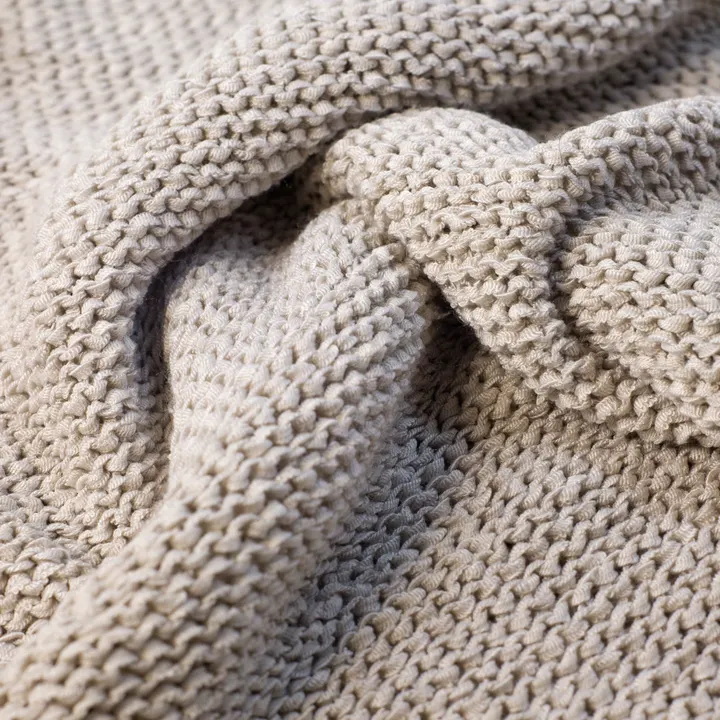
Close-up of light cotton knit with a fine, even stitch
02Natural and breathable

Cotton

A natural fibre valued for its softness, breathability and moisture absorption – at a lower price than, for example, wool. We use cotton in our knitted products as 100% cotton or blended with acrylic.

  • 100% cotton
  • With acrylic
See the shade card

What makes cotton stand out?

  • Natural fibres let air flow freely.
  • It absorbs moisture well – keeping you comfortable even on warmer days.
  • It is easier to care for than other natural fibres.
  • It is durable, especially when blended with other materials.

What should you keep in mind?

  • It may shrink in the wash.
  • With long use, it may stretch and lose its shape.
  • After many washes, the colour may fade.

Cotton with acrylic – why choose it?

  • Durability

    Added acrylic means the fabric stretches and deforms much less.

  • Colour fastness

    The fabric keeps its colour for longer.

  • Softness

    Acrylic gives the knit extra softness.

  • Cotton’s benefits

    The blend keeps everything we value cotton for.

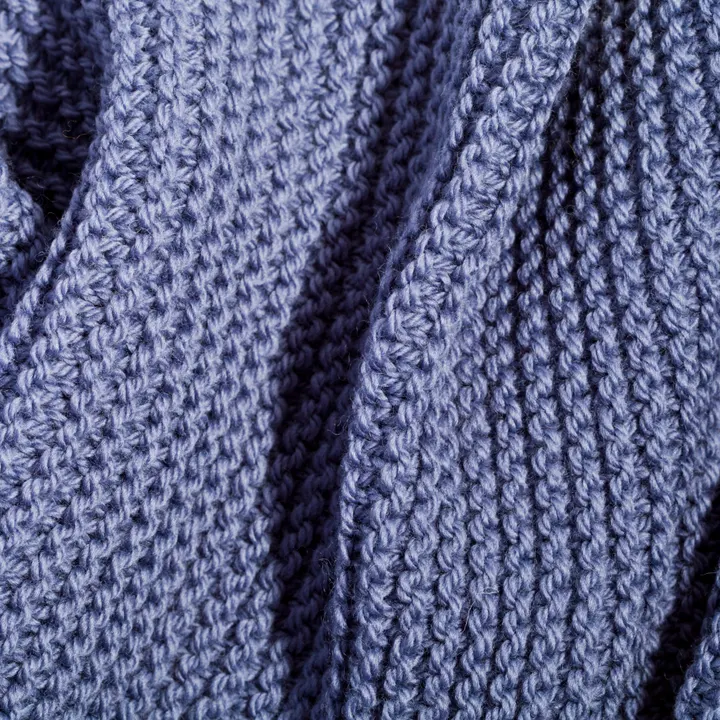
Close-up of blue acrylic knit with a ribbed stitch
03The most popular

Acrylic

One of the most popular materials on the market. Its biggest advantages are its low price and a wool-like look, which lets it compete with natural fibres.

  • 100% acrylic
  • With wool
  • With polyester
See the shade card

What makes acrylic stand out?

  • It resists deformation and stretching.
  • It is resistant to clothes moths.
  • It can safely be machine washed.
  • It is easy to clean and dries quickly.
  • Colours resist fading from washing and sunlight.

What should you keep in mind?

  • It doesn’t breathe – it doesn’t let air through.
  • It absorbs unpleasant odours.
  • It pills quickly.
  • It retains heat poorly.

Acrylic in blends

  • Acrylic with wool

    Added wool makes the fabric much warmer and more breathable, which improves wearing comfort. The blend is also more durable than 100% wool.

  • Acrylic with polyester

    Softness and a silky texture at a very low weight. The fabric is more resistant to damage and pilling, and the yarns come in a wider range of colours.

04Visibility after dark

Reflective yarn

If you’re looking for something special that also improves safety, reflective yarn is for you – a polyester-based blend with light-reflecting elements. We can use it for hats and scarves for people on the move after dark, as well as for custom designs that gain extra impact from its shimmering sheen.

The yarn comes in a universal silver-grey colour and holds the SGS EN ISO 20471 certificate. It can appear in a product in several ways:

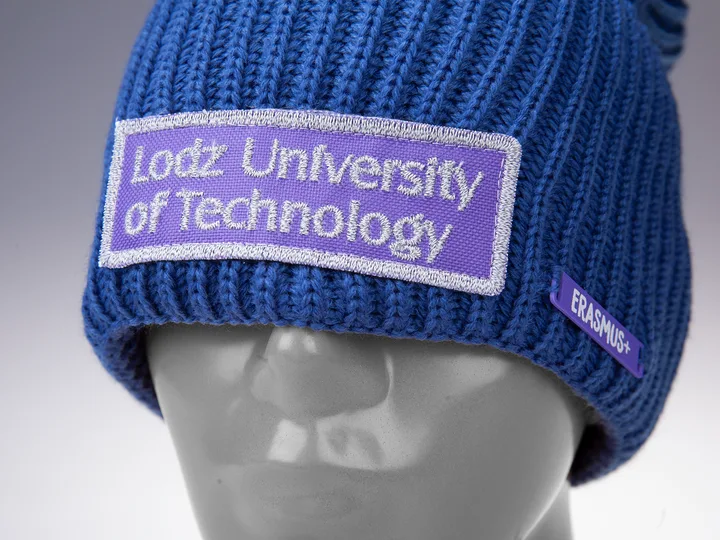
Blue hat with an embroidered Lodz University of Technology patch edged with reflective thread
Patch edged with reflective thread – Lodz University of Technology
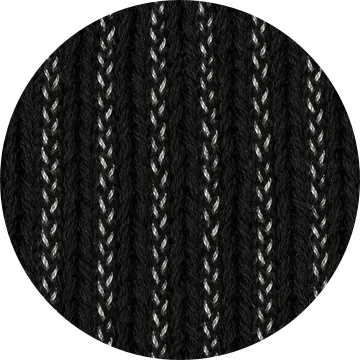
  • Sample of black knitted fabric with reflective yarn woven into the ribs
    Throughout the knitreflective yarn across the whole surface of the product
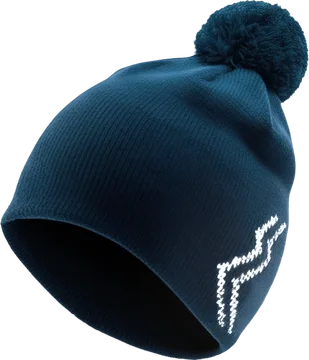
  • Navy pom-pom hat with a reflective pattern knitted into the fabric
    In the patterna stripe, wave, symbol or logo in the pattern of a hat or scarf
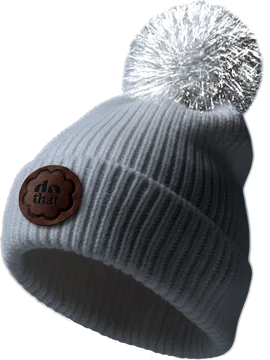
  • Grey hat with a dothat leather patch and a silver pom-pom made of reflective fibres
    In the detailsa reflective pom-pom, or a patch or label with your logo

Haven’t found the right material?

At dothat, you don’t need to be a materials expert – what matters is your idea and your needs. Based on your guidelines, we’ll choose the best material and guide you step by step through the whole process of creating personalised textiles.

Ask about materials and colours
Your project

Got an idea for personalised textiles for your brand?

Write to us at biuro@dothat.pl or fill in the contact form to get more information and an individual quote for your project.